What Does SpaceX’s Historic IPO Mean for the Future of Space Investment?
SpaceX’s initial public offering (IPO) has instantly become the largest in history, rocketing its founder, Elon Musk, to the status of the world’s first trillionaire and making waves throughout the entire space sector. On This Week in Space, hosts Tariq Malik and Rod Pyle broke down what SpaceX’s momentous NASDAQ debut means for investors, competition, and the future of commercial spaceflight.
Why SpaceX’s IPO Sets a New Standard for Space Investment
When SpaceX began public trading, it opened above analysts’ expectations—with shares set at $135, debuting at $166, and ultimately offering 555 million shares. This massive valuation at $1.77 trillion is almost 100 times annual revenue, far outpacing most tech or industrial companies. According to Tariq Malik, SpaceX’s move “remakes the landscape for the space industry” and signals strong market appetite for high-growth space ventures.
What’s unprecedented:
- Elon Musk is now a trillionaire.
- The IPO instantly created thousands of new millionaires and billionaires, as early SpaceX employees and investors realized huge gains.
- The offering is the largest in stock market history, surpassing previous tech giants.
The Ripple Effect: From Employees to Industry Disruption
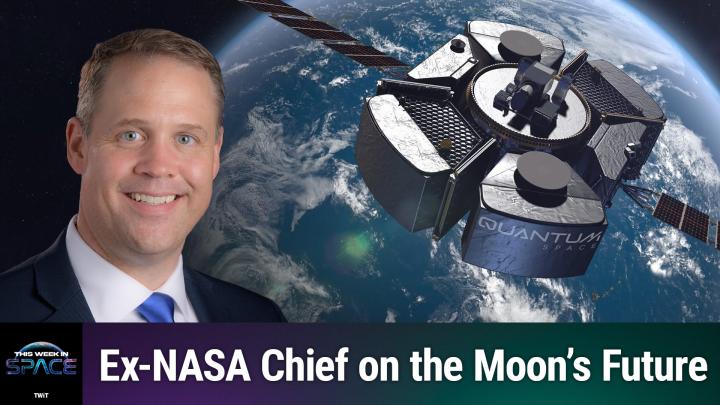
The sheer scale of SpaceX’s IPO is likely to have significant ripple effects across the entire industry. Tariq Malik highlighted news that up to 4,000 new millionaires have emerged just from early SpaceX involvement, based on New York Times figures. Many of these individuals—former employees or contractors—are now perfectly positioned to launch new startups, invest in other space companies, or drive forward novel technologies. Former NASA chief Jim Bridenstine, this week’s guest, agreed, pointing out how the IPO could reset how commercial space is done.
As Rod Pyle pointed out, post-IPO SpaceX is a very different company from when it was founded in 2002, now encompassing not only rocket development and launches, but also AI, orbital data centers, and Starlink’s satellite internet service.
Why Public Markets Matter: More Transparency for SpaceX
Rod Pyle and Tariq Malik emphasized that as a public company, SpaceX will now be subject to quarterly financial disclosures and new forms of shareholder accountability. For the first time, the public and analysts will have visibility into SpaceX’s profits, losses, business plans, and strategy shifts.
This could accelerate:
- Market discipline and competitive pressure
- Investment in data center growth and AI applications
- Increased transparency about Starship, Starlink, and lunar ambitions
Will the IPO Change Space Sector Funding?
SpaceX’s blockbuster entrance onto NASDAQ validates the broader commercial space market for other investors. Tariq Malik and Rod Pyle noted that the IPO’s success demonstrates a strong appetite among investors for companies that can show real performance and growth, especially those with proven commercial launch records.
This is expected to create:
- Easier access to capital for U.S. space startups
- More seasoned, wealthy talent launching or funding new companies
- Copycat IPOs and funding rounds from SpaceX competitors and suppliers
Key Takeaways
- SpaceX’s IPO is the largest in stock market history, instantly making Elon Musk a trillionaire and minting thousands of new industry millionaires.
- Investor appetite for high-growth space companies is stronger than ever, opening the door for more IPOs in the sector.
- Public company status forces SpaceX to provide transparency about its finances, business models, and R&D priorities.
- The IPO will likely fuel new space startups as former SpaceX employees and investors launch new ventures with their newfound wealth.
- The space industry is set for further disruption as new capital and competition intensify.
- SpaceX is now more than just rockets—with divisions in AI, satellite internet, and data centers.
The Bottom Line
SpaceX’s IPO isn’t just a financial milestone—it’s a seismic event for the global space industry, promising new investment, talent, and innovation far beyond the initial public offering. As private wealth pours into the sector and public scrutiny increases, the coming years will likely see a boom in startup activity, more frequent launches, and new business models for commercial space endeavors.
Ready for more insights on the evolving space frontier?
Subscribe to This Week in Space: https://twit.tv/shows/this-week-in-space/episodes/214