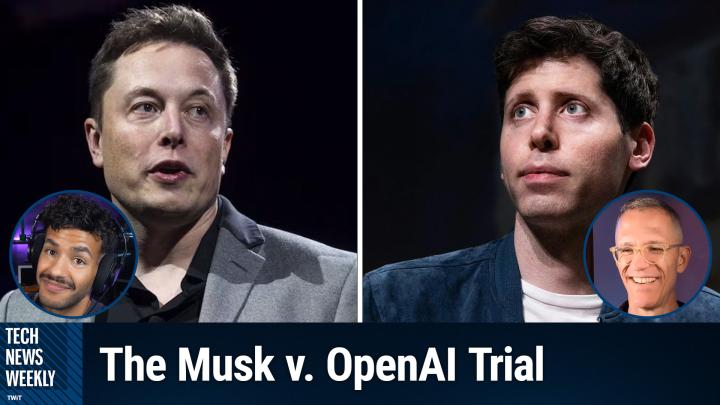
What We Learned from the Elon Musk v. OpenAI Courtroom Showdown
AI-generated, human-reviewed.
The Elon Musk vs. Sam Altman legal battle over the direction and ownership of OpenAI has captured global attention—and on the latest episode of Tech News Weekly, Jacob Ward shares a rare insider’s perspective from inside the packed Oakland federal courtroom. This episode covers the billionaire drama unfolding in court, why the trial matters for AI development, and key takeaways for anyone tracking the power struggles shaping tomorrow’s technology.
The Core of the Musk vs. OpenAI Legal Battle
At the heart of the trial are fundamental questions about how artificial intelligence companies define their mission, control, and accountability. According to Jacob Ward on Tech News Weekly, Elon Musk is suing Sam Altman and OpenAI on the grounds that the company shifted from its original nonprofit structure—designed to ensure AI benefits all of humanity—to a for-profit model, allegedly excluding Musk despite his significant early financial contributions.
Musk’s requests include removing Altman and president Greg Brockman from OpenAI’s leadership, reversing the company’s move to a for-profit entity, and seeking financial restitution. OpenAI’s defense, as explained by Jacob Ward, is that Musk’s frustration was rooted less in mission drift and more in losing control over the company’s direction and influence as other backers (notably Microsoft) entered the scene.
Courtroom Dynamics: Billionaires Meet the American Judicial System
An unexpected highlight, as described by Jacob Ward, was how the judicial process puts even the world’s richest and most powerful on equal footing with everyday citizens. With no VIP sections and strict security, Musk, Altman, and Brockman navigated the same lines and security checks as reporters and public attendees.
Notably, Musk appeared unfamiliar with such settings, reportedly forgetting to carry ID and finding himself subject to the same procedural routines as everyone else. Jury selection and courtroom breaks showed that, inside federal court, even tech titans must follow the same rules—an experience that Jacob Ward found unexpectedly patriotic.
The Evidence: Boardroom Emails, Diaries, and Changing Narratives
A centerpiece of the trial has been the examination of emails, text messages, and even personal diary entries. According to the episode, the court reviewed discovery materials showing candid exchanges between Musk, Altman, and Brockman during OpenAI’s founding days. These include candid admissions about the nonprofit/for-profit structure, personal motives, and reflections on control and power.
One notable point was the use of Greg Brockman’s 2017 diary, now public due to the case. Its contents—expressing doubts about commitment to the nonprofit model and hinting at financial motivations—became pivotal evidence for Musk’s claims. Jacob Ward also noted the broader lesson for anyone in tech: anything in writing, including personal journals, can be scrutinized in litigation.
Jury Impact: Sympathy, Technical Details, and Public Perception
Based on Jacob Ward’s observations, the case seems to hinge not just on technical evidence and financial data, but on which side can appear most credible and sympathetic to a jury of ordinary citizens. Lawyers for OpenAI tried to frame Musk as a disruptor who turned to litigation out of personal frustration, while Musk’s camp sought to portray betrayal of foundational values.
There was discussion about the jury’s reaction to technical details, debates about money and board control, and whether jurors were more swayed by the personalities than the fine print. The public—and the tech world—are watching to see if the outcome could affect who gets to shape the future of AI: visionary founders or powerful investors.
Key Takeaways
- Elon Musk is suing OpenAI leaders Sam Altman and Greg Brockman, claiming betrayal of original nonprofit principles and seeking major changes to the company.
- The trial’s public nature offers rare transparency into how AI companies are governed, and shows how even tech billionaires face the same court processes as anyone else.
- Discovery evidence includes board emails and personal journals, revealing candid debates about profit, control, and the fate of AI development.
- The jury’s role is pivotal—their reactions may come down to personal impressions as much as technical or legal arguments.
- Outcomes of this case could influence how AI companies balance innovation, profit, and ethical promises going forward.
The Bottom Line
The Musk vs. Altman OpenAI trial isn’t just a billionaire feud—it’s a rare public look at the power struggles shaping the direction of artificial intelligence. As explained on Tech News Weekly, the case exposes the tension between innovation, transparency, and control that will echo across the tech industry for years to come.
Don’t miss out on the latest expert insights and breaking tech news: subscribe to Tech News Weekly for in-depth analysis every week.